
commercial Interior Designs
Best commercial Interior Designs
Commercial interior design is the art and science of enhancing business interiors to achieve a balance between functionality and aesthetics. It focuses on creating environments that support a company’s goals, reflect its brand, and improve user experience for both employees and customers. Whether designing an office, retail space, restaurant, or hotel, the design must align with business’s identity and operational needs.
Office Interior Design
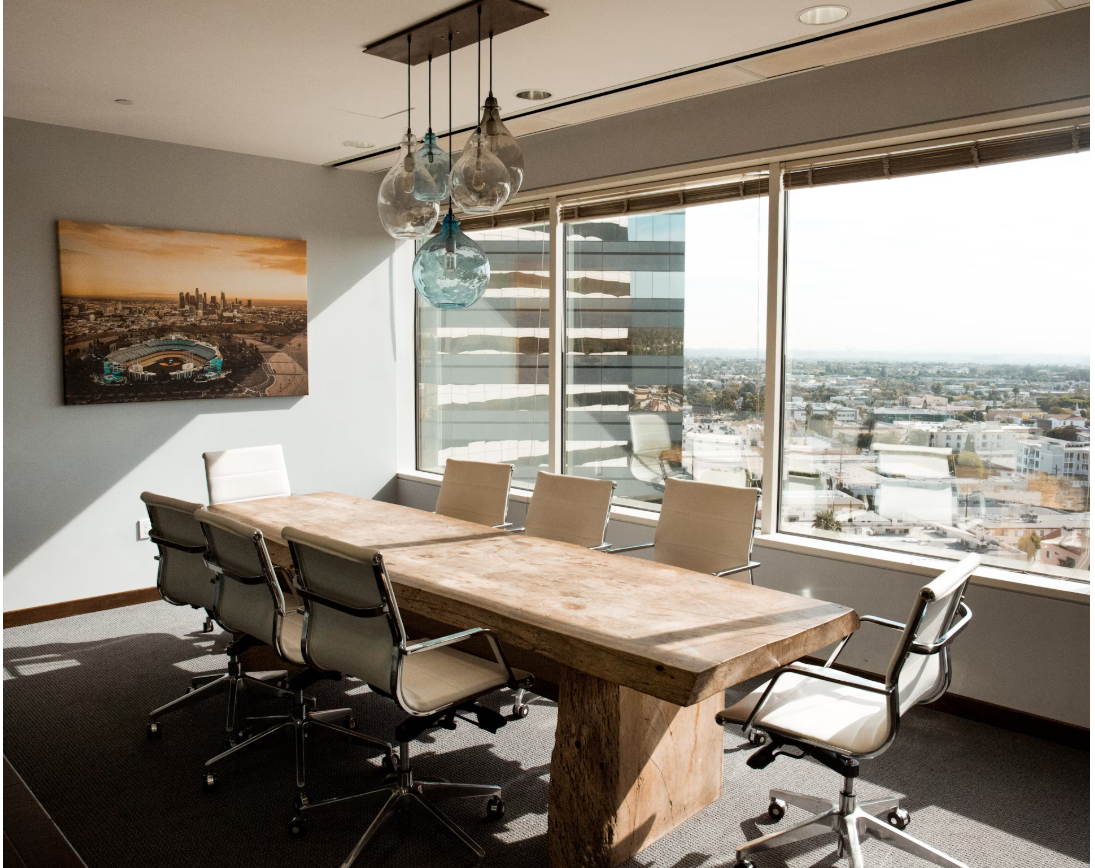
Office interior design focuses on creating a work environment that is both functional and aesthetically pleasing. A well-designed office supports productivity, enhances employee well-being, and reflects the identity of the company.
The use of ergonomic furniture, efficient layouts, and thoughtful lighting contributes to a more comfortable and motivating space. Open-plan areas can encourage collaboration, while private meeting rooms or quiet zones provide space for focused work.
. Technology integration, such as smart boards and charging stations, is also essential in modern office spaces.
A successful office design balances practicality with creativity, ensuring the space meets the needs of both the business and its people.
Educational Interior Design
Retail interior design
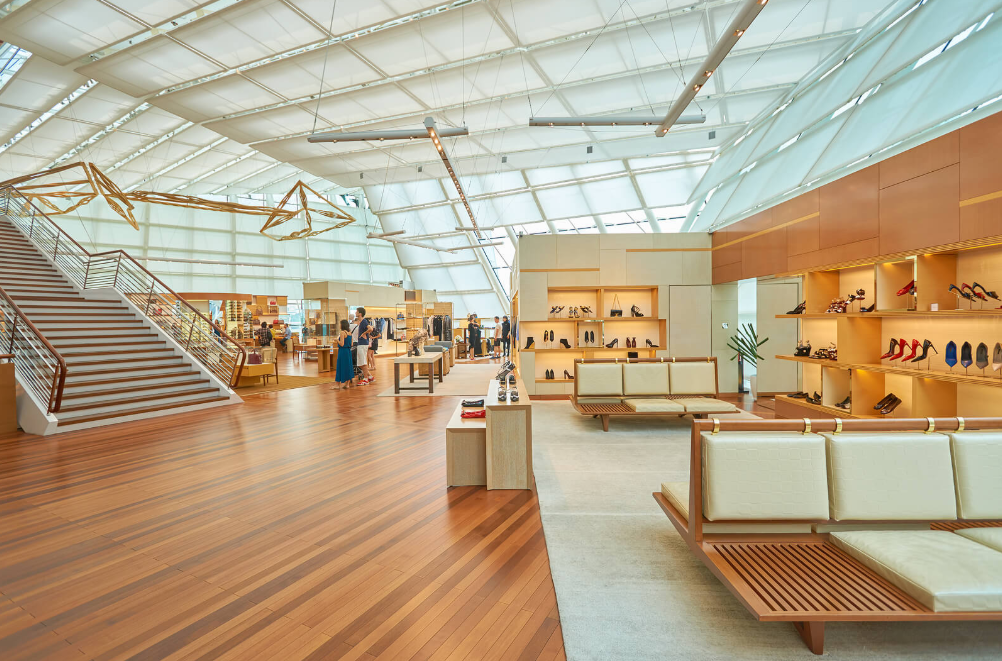
Retail interior design focuses on creating an engaging and immersive shopping experience that attracts customers and encourages them to spend time in the space. It combines aesthetics with functionality to showcase products effectively while reflecting the brand’s identity. Strategic layout planning is essential to guide customer flow, highlight key merchandise, and create visual interest. Elements such as lighting, color schemes, signage, and display fixtures are carefully chosen to influence buying behavior and enhance product visibility.
Industrial Interior Design
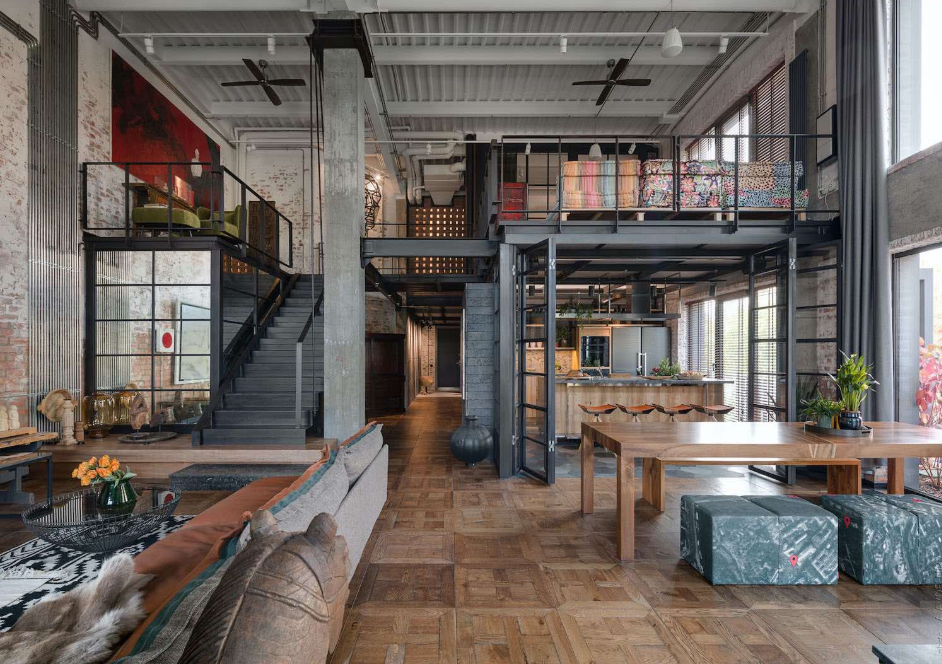
Industrial interior design emphasizes raw, functional, and robust elements, often drawing inspiration from warehouses, factories, and industrial structures. It celebrates exposed architectural features such as concrete walls, brick surfaces, metal beams, and ductwork, turning structural components into aesthetic highlights. The color palette typically includes neutral tones like grey, black, and earthy shades, which are paired with materials like steel, iron, reclaimed wood, and aged leather to create a rugged yet stylish atmosphere. Furniture tends to be practical and minimal, with a focus on durability and utility. Lighting plays a key role, often using oversized fixtures, metal pendants, or vintage bulbs to enhance the industrial character.